Certified UPF 50+
Women's UV sunsuits
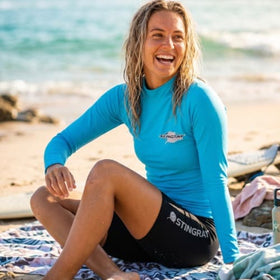
One-piece UPF 50+ sun protection swimsuits for women with sleeves and leg cover: short sleeve, long sleeve and full body. Each sunsuit is certified to block at least 98% of UV rays.

- Dermatologist recommended
- Free UK delivery over £70
- 14-day returns
More women's swimwear
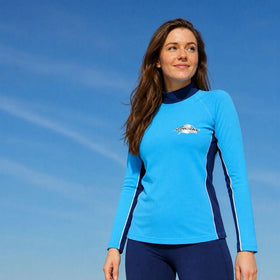

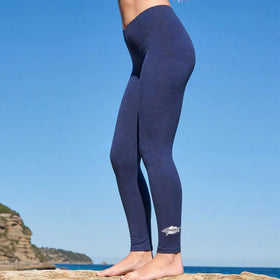
-
Stingray Full-Body UV Sunsuit UPF 50+
Regular price £65.00Regular priceUnit price per -
Stingray Long Sleeve UV Sunsuit UPF 50+
Regular price £58.00Regular priceUnit price per -
Stingray Active UV Sunsuit UPF 50+
Regular price £42.00Regular priceUnit price per£50.00Sale price £42.00Sale -
Stingray Short Sleeve UV Sunsuit UPF 50+
Regular price £54.00Regular priceUnit price per


What customers say
4.7 average from over 12,500 customer reviews
-
“Good quality and design, sunsmart and easy for me to wear for swimming lessons with my little son.”
 Full-body UV sunsuit
-
“I just purchased another one of these excellent suits. The first was purchased five years ago, and it has worn super well. Going without UV Protection isn't an option for me.”
 Long sleeve UV sunsuit
-
“Love love love equatorsun's sunsuits! This is my second uv suit. Just wish you restocked the full-body suits in M & smaller sizes.”
 UV sunsuit


How to choose a women's sunsuit
All of our sunsuits cover the body and thighs. The sleeves and the leg length decide how much more they cover.
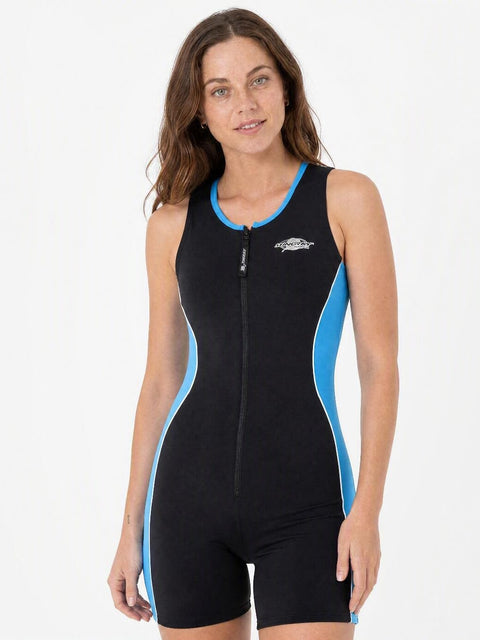
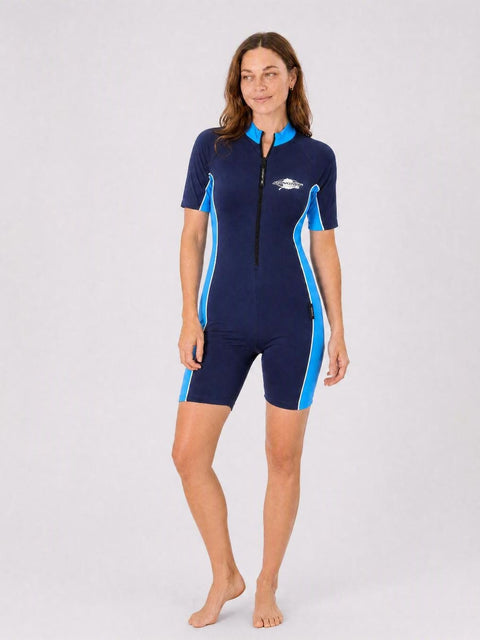
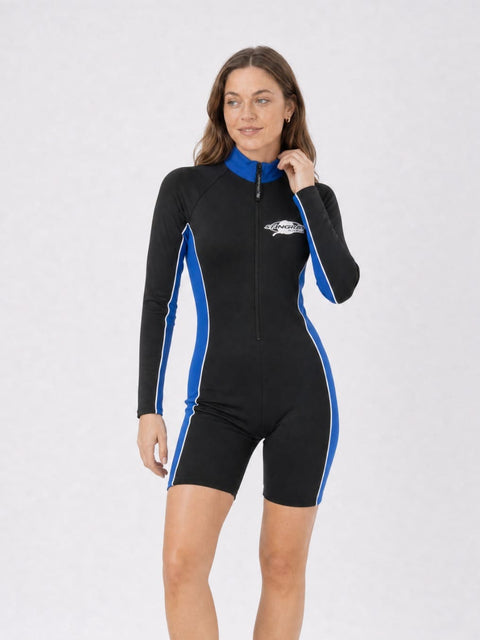
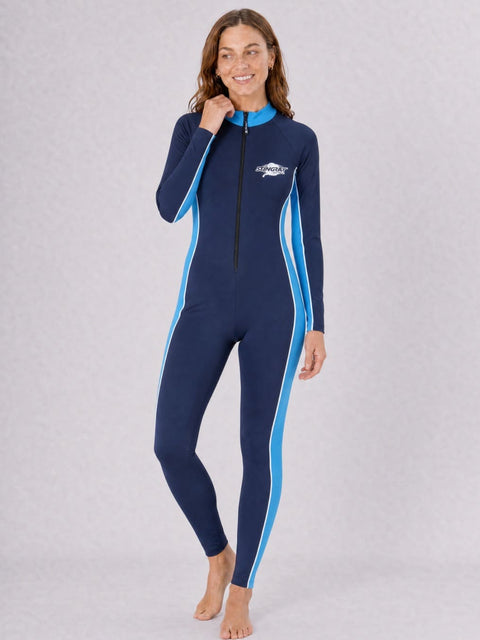
Coverage A full-body sunsuit covers from the neck to the wrists and ankles. An active sleeveless sunsuit leaves the arms free for swimming and sport, and can be paired with a swim shirt or arm sleeves when the sun is strong.
Sizes Sizes run from S to 2XL in most sunsuits. Check the product page for the sizes in stock.
Dermatologist recommended
“UPF clothing is an essential part of any sun protection strategy. It offers consistent coverage and long-term UV defence, especially for those at higher risk of skin cancer. equatorsun helps make that protection both effective and practical.”
Common questions about women's UV sunsuits
Is a sunsuit the same as a swimsuit?
A sunsuit can be used as a swimsuit. However, unlike normal swimsuits, a sunsuit is made from certified UPF 50+ fabric, which blocks at least 98% of UV rays. It’s also cut to cover as much skin as possible. It’s a one-piece with sleeves, a high collar and legs that reach the thigh or ankle. You can swim, surf and snorkel in it just like any swimsuit. It dries quickly, so you can keep it on afterwards.
Do I need sun cream under a long sleeve swimsuit?
No, not on the skin it covers. UPF 50+ fabric blocks at least 98% of UV rays and doesn’t wash off in the water the way sun cream does. That means your arms, shoulders and back stay protected all day without reapplying. You’ll still need sun cream on the skin that’s left bare, such as your face, hands and feet, and your legs if the suit stops at the thigh.
Does a full-body swimsuit protect against jellyfish?
Yes, a full-body sunsuit covers you from the neck to the wrists and ankles, so jellyfish tentacles touch fabric instead of skin. The fabric is woven so tightly that jellyfish cannot penetrate it. That’s why these suits are often called “stinger suits” in Australia.
Is a sunsuit the same as a wetsuit?
No. A wetsuit is made of thick neoprene that keeps you warm in cold water. A sunsuit is thin, light, stretchy swim fabric that keeps the sun off and dries in minutes.
How should a sunsuit fit?
A sunsuit should fit close to the skin, like a swimsuit, without pulling at the shoulders or digging in at the collar. The fabric stretches and recovers, so it moves with you when you swim and does not balloon with water. Check the size guide on the product page, because sizing varies between styles, and if you are between sizes take the larger one.
Why choose equatorsun for women's sunsuits?
Ordinary swimsuits are rarely tested for UV and they can let through up to 10 times more UV than UPF 50+ swimsuits. Every equatorsun piece is tested to the AS/NZS 4399 or EN 13758 standard and certified UPF 50+, which means the fabric blocks at least 98% of UVA and UVB rays from reaching the skin it covers. Leading UK consultant dermatologist Dr Dev Shah recommends the equatorsun range. We're a UK family business and have specialised in sun protective clothing since 2006. Customers rate us 4.7 out of 5 across more than 12,500 reviews.